
ANTA KAI 3 vs KAI Speed 3
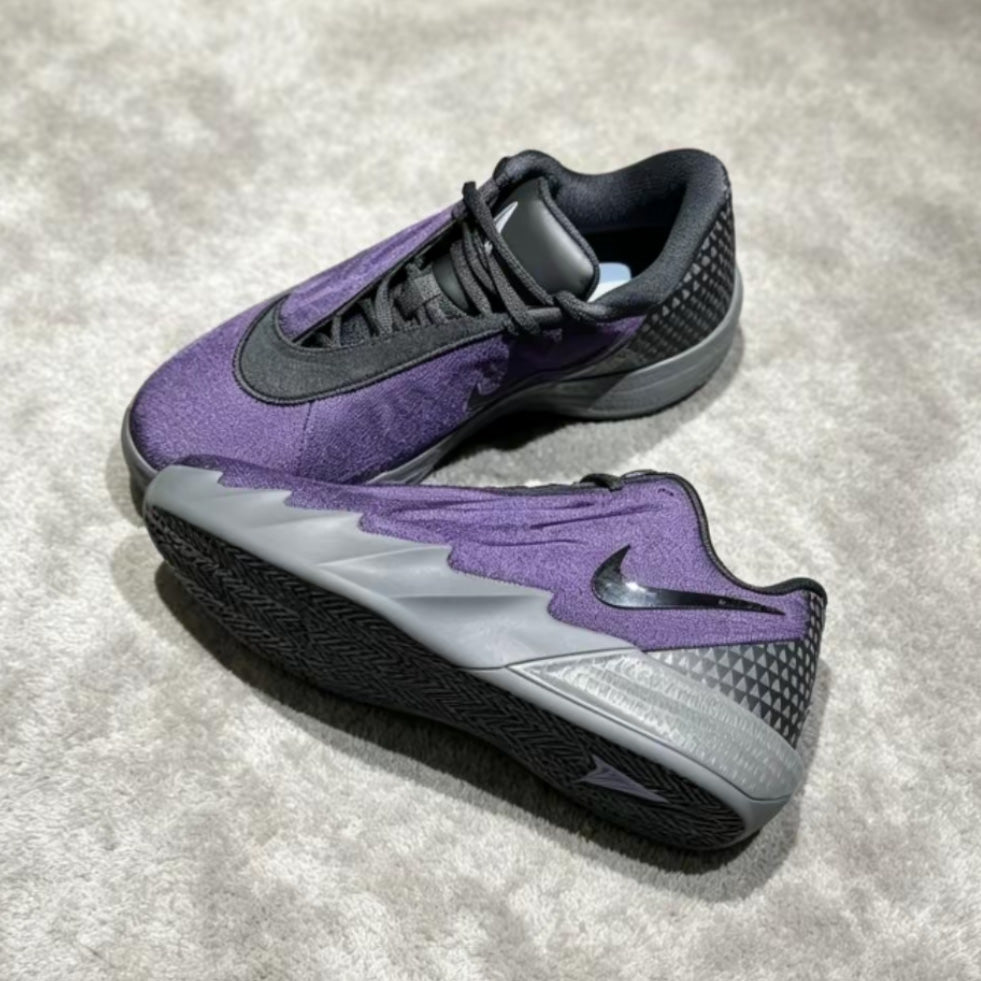
They share Kyrie Irving’s name, but they are not the same shoe with different uppers. KAI 3 is the complete signature model; KAI Speed 3 strips the idea toward a lower, quicker and more direct guard platform.
KAI 3 is safer; Speed 3 is sharper
Buy the KAI 3 if you want the better-known all-round performer: reliable indoor grip after break-in, nitrogen-infused cushioning, strong torsional support and one of the most secure fits in the current KAI line. Choose the KAI Speed 3 if your priority is a lower visual profile, fast transitions and a less substantial feel—and you are comfortable buying before its final global technology sheet and long-term testing are complete.
The naming makes this comparison sound simple. It is tempting to treat Speed 3 as a lighter KAI 3, yet the two shoes solve different problems. The mainline model is designed to feel complete. It carries more obvious containment, a proven cushioning construction and a real body of independent testing. Speed 3 is the specialist: visually leaner, built around a broad but lower chassis, and aimed at players who would rather feel the floor than sink into the midsole.
Two branches of the same Kyrie idea
KAI 3 is Kyrie Irving’s third flagship ANTA signature shoe. Its job is to balance court feel with enough protection, containment and comfort to serve as a primary game shoe. That balance shows in the dense foam carrier, wider base, carbon-fiber midfoot shank and upper that wraps closely around the foot.
KAI Speed 3 belongs to the faster, simpler branch. The retail shoe uses a low collar, textile-and-synthetic upper, wrapped lateral sidewall, reinforced heel and a clearly visible midfoot support element. Its forefoot platform is broad, but the overall presentation is less armored. That distinction matters: ‘Speed’ describes its intended tuning, not a cheaper copy of the flagship.
More established cushioning, fit and support make it the lower-risk recommendation for a primary indoor rotation.
The slimmer upper and direct chassis make more sense for guards who value quick transitions over plush impact protection.
The five differences that matter
Cushioning certainty
KAI 3: nitrogen-infused foam sits inside a denser carrier, producing a low ride that becomes more responsive after break-in. Speed 3: the final model-specific branded foam system has not been published globally, so claims that it automatically shares KAI 3’s setup should remain unconfirmed.
Midfoot structure
KAI 3: a confirmed carbon-fiber midfoot shank supplies torsional rigidity while leaving the forefoot flexible. Speed 3: an exposed support bridge is visible, but its exact material and official technology name still need ANTA confirmation.
Upper philosophy
KAI 3: ultra-thin hot-melt fuse, lightweight textile and selected synthetic or leather panels create a close, foot-shaped wrap. Speed 3: textile sections and structured synthetic overlays reduce visual bulk while the heel and eyestay carry more of the containment work.
Platform geometry
KAI 3: a wide base and raised lateral sidewall prioritize security through changes of direction. Speed 3: the base remains broad, but the stack looks more controlled and the upper less substantial, pointing toward quicker floor connection.
Evidence level
KAI 3: multiple retail reviews support its traction, fit, cushioning and stability. Speed 3: retail pairs and product photography confirm the construction, while dust performance, durability, exact foam and universal sizing advice still need broader testing.
Cushioning: protection versus immediacy
KAI 3 is not a max-cushion shoe, but its underfoot formula is known. The nitrogen-infused core is fully encased by a denser carrier, keeping the foot close to the court while providing meaningful impact absorption. Early sessions can feel firmer than expected. With use, the forefoot becomes more responsive and the ride gains a little bounce without losing its stable base.
That makes KAI 3 the stronger choice for players who need one shoe to handle full games. It still favors court feel, yet there is enough material underfoot to soften repeated landings. Heavier guards or players with sensitive joints may still want more protection, but this is a balanced performance tune rather than a bare-bones setup.
Speed 3 should be approached differently. Its side profile and Speed-line identity point toward a lower, more immediate ride, but visual geometry cannot confirm softness, rebound or impact protection. Until ANTA publishes its exact compound—or enough retail pairs are cut open and tested—the honest conclusion is simply that Speed 3 is the more direct-looking shoe, not automatically the bouncier or lighter one.
Traction: proven grip meets promising geometry
KAI 3 uses an unconventional multidirectional pattern with relatively soft rubber. Independent testing generally finds it reliable indoors, including across varied court conditions. Some pairs appear to need outsole break-in, and the softer compound does not make it the obvious winner for abrasive outdoor courts. Once working properly, however, its stopping power fits Kyrie-style changes of direction.
Speed 3 uses dense directional chevrons and herringbone-like zones that turn through the forefoot and heel. The pattern looks purpose-built for braking, pivots and lateral cuts. What remains missing is consensus on rubber compound, dust pickup and long-term abrasion. The pattern is encouraging; KAI 3 is still the safer traction recommendation because its performance has actually been repeated across more testers.
Support: both are wide, but not equally proven
KAI 3 builds support from fit first. A secure internal shape holds the foot close to the platform, while the lateral sidewall, wide base and carbon-fiber shank manage side-to-side force and twisting. The rounded outsole edge looks less planted in photos than it feels on court because the base remains broad beneath the foot.
Speed 3 also makes a strong visual case. Its forefoot extends laterally, the carrier rises around the upper, the heel is firmly reinforced and the midfoot bridge is easy to see. Those features suggest good containment without requiring a thick upper. Still, the relationship between upper tension and chassis stiffness can only be judged through play. On current evidence, KAI 3 wins support; Speed 3 may feel freer around the foot.
Fit and materials: the KAI 3 advantage is confidence
KAI 3 runs true to size for many standard-foot testers and has earned unusually strong feedback for its foot-shaped last. The toe box is not genuinely wide, but it avoids the long, narrow feeling common in many speed-oriented basketball shoes. Lockdown is close and even, with little wasted movement once the upper settles.
Speed 3’s rounded forefoot looks accommodating, yet external shape does not reveal usable internal width. Its layered eyestay and padded rear structure should allow conventional lockdown, but a broad retail consensus has not formed. Standard feet can begin with their usual ANTA size; wide feet and high insteps should compare foot length in centimeters and avoid guessing solely from the photos.
Neither shoe is a luxury-material showcase. KAI 3’s fuse and textile are functional, flexible and relatively quick to break in. Speed 3 appears to reduce layers further, trading some flagship richness for a cleaner and potentially quicker-moving upper.
KAI 3 vs. KAI Speed 3 at a glance
| Category | ANTA KAI 3 | ANTA KAI Speed 3 | Current winner |
|---|---|---|---|
| Role | Flagship all-round signature shoe | Lower, speed-focused guard alternative | Depends on play style |
| Cushioning | Nitrogen-infused foam inside a denser carrier | Exact branded setup not globally confirmed | KAI 3 |
| Midfoot | Confirmed carbon-fiber shank | Visible support bridge; material unconfirmed | KAI 3 |
| Traction | Reliable multidirectional indoor grip after break-in | Dense chevrons look promising; long-term evidence limited | KAI 3 |
| Court feel | Low and controlled with moderate protection | Visually lower and more direct | Speed 3 for minimalists |
| Containment | Wide base, raised sidewall and secure fit | Broad forefoot, wrapped carrier and reinforced heel | KAI 3 on evidence |
| Fit confidence | True to size for many standard feet; foot-shaped last | Use centimeter sizing until consensus develops | KAI 3 |
| Outdoor use | Soft rubber favors indoor play | Rubber coverage is visible; durability unproven | Neither is confirmed outdoor-first |
Which one should you buy?
Buy the KAI 3 if this will be your main game shoe, if you want a verified cushioning and support package, or if fit confidence matters more than chasing the newest silhouette. It is the easier recommendation for most guards because its strengths are supported by real testing rather than inferred from photographs.
Buy the KAI Speed 3 if you deliberately want the leaner branch of Kyrie’s ANTA line. It makes the most sense for quick, lighter-footed guards who dislike bulky uppers and want a closer visual and mechanical connection to the floor. The tradeoff is uncertainty: its exact foam, shank material, dust behavior and long-term durability are not as well established.
FAQ
Is the ANTA KAI Speed 3 a cheaper KAI 3?
No. It belongs to a separate speed-focused branch with a leaner upper and more direct platform. It is not simply the flagship KAI 3 with materials removed.
Which shoe has better cushioning?
KAI 3 is the safer answer. Its nitrogen-infused foam and denser carrier are confirmed and widely tested. Speed 3’s final branded cushioning system has not been disclosed consistently enough for an equal comparison.
Which shoe has better traction?
KAI 3 has the stronger evidence and generally reliable indoor grip after any outsole break-in. Speed 3’s directional pattern looks promising, but broader dust and long-term testing are still needed.
Do KAI 3 and KAI Speed 3 fit the same?
Do not assume so. KAI 3 is widely reported as true to size for standard feet. Speed 3 should be selected using foot length in centimeters and current retailer guidance until more fit data is available.
Where can I buy authentic Anta kai 3 collections?
KICKSOWN covers amount of Anta Kai 3 products on their official website: www.kicksown.com, which has been tested as a legal one selling origin products.

ANTA KAI 3 ‘Magnetic Energy’

ANTA KAI Speed 3 ‘Origin’

ANTA KAI Speed 3 ‘Mismatch’
Minimum KICKSOWN prices and listing status checked September 17, 2026. Actual price and availability vary by size; check the live product page before ordering.
Grab yours at kicksown.
Anta kai 3 or kai speed 3? Leave your comments below.
Explore ANTA KAI at KICKSOWN.com